
Sidebar[Skip]
Get BrainReady - Free!
As featured in Reader's Digest, CNN and more -- join the thousands who have added BrainReady to their lives. FREE!
No spam, unsubscribe anytime!
Recent Health Features
- VEGF - No, it's not a new vegetable.
- Don't Let Depressing Lead to Depression
- Binaural Beats to Help Meditate
- Sharpen your listening skills
- Is Pizza Seasoning the New Superfood?
- Yerba Mate vs. Coffee: Which is Healthier?
- Cinnamon - the new brain & health food?
- BrainReady Best Brain Supplements, Part 2: PS
- Prepare for the REAL Matcha Revolution...
- Will You Need to Work at Age 86?
- Rooibos for Brain, Body and More?
- Less Coffee, More Espresso?
- Move Over, Brown Rice - Go Wild!
- No More Milk In Your Tea? Here's why...
- Hemp – The Perfect Brain Health Food?
- B Vitamins, Bioavailability, and Your Brain
- Ginkgo is Back – Memory, Alzheimer’s & more?
- 7 Easy Ways to Get Your Brain Back Into Shape in '08
- Salmon and your brain: before you buy salmon again...
- Curry On Your Mind...
- Do Different - for Mental Health?
- Aromatherapy: Real or Bunk?
- Mind Mapping: Preparing to be Brain-Ready
- The Best Natural Brain Supplements, Part 1: Memory Loss? Vinpocetine can help...
- French Madiran Wine Best for Longer Life?
- Buddhism and Your Brain Health?
- Take Up Video Games, To Keep Your Brain Healthy?
- Sage Advice
- Eat Your Chocolate...and Walnuts? (updated)
- More Reason To Exercise Your Brain!
- Music For Your Brain Health?
- Cut Diabetes Risk to Prevent Alzheimer’s?
- Is Your Brain Plastic?
- Avoid The Dreaded 'D'
- Walk Your Brain to Health?
- The Top 5 Brain Health Foods
- Folate - Take 5 Years off your Brain Age?
- Nine Lives of Innovation
- Fish Oil Supplements, or Not?
- Acai - For Real?
- Brain Tips for Busy People (Pt.2)
- Brain Tips for Busy People (Pt.1)
- Memorize 22,514 Numbers?
- The Truth About Sleep and Your Brain
- The Ultimate Anti-Aging Spice?
- The #1 Brain Tip: Association
- A User's Manual for your Brain
- The Hilarious Wonder Drug
- Stay blue all winter long?
- Try this and amaze yourself (and friends)!
- Easiest Way to Boost Mental Performance?
- Red Wine, but Which Kind?
- 2 + 5 = more brainpower, less mental decline
- Brain foods and more...
Download BrainReady BrainFlex™ Worksheets Vol.1
...and cross-train your brain in just minutes!
Download BrainFlex Worksheets Vol.1 now
Links
Finest Matcha Green Tea is here -- DoMatcha.com
Perfect for your aging loved ones - or yourself: NintendoDS and BrainAge!
Download BrainReady "Visualize - Vol.1"Audiobook!

...get your creative & memory skills back in shape fast - just by listening! Click above to download now.
RSS Feed
Related Links
Download BrainReady BrainChallenge™ 1
A whole new way to exercise your brain!
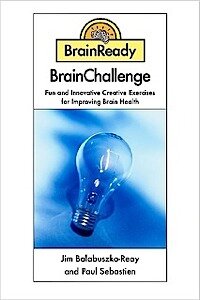
Click above to download now
BrainAge/Nintendo DS Brain Bundle!
...save big on this ultimate gift for your aging loved ones or yourself!
Re-Awaken Your Creative Side - Just By Listening!
New! BrainReady "Visualize Vol. 1" Audiobook now available

Rekindle your brain's creative, spatial & memory abilities --Download it now!
All Contents (c) 2006-2008 BrainReady Pty Ltd. All Rights Reserved.